The Five-Step Evening Routine That Transformed My Skin
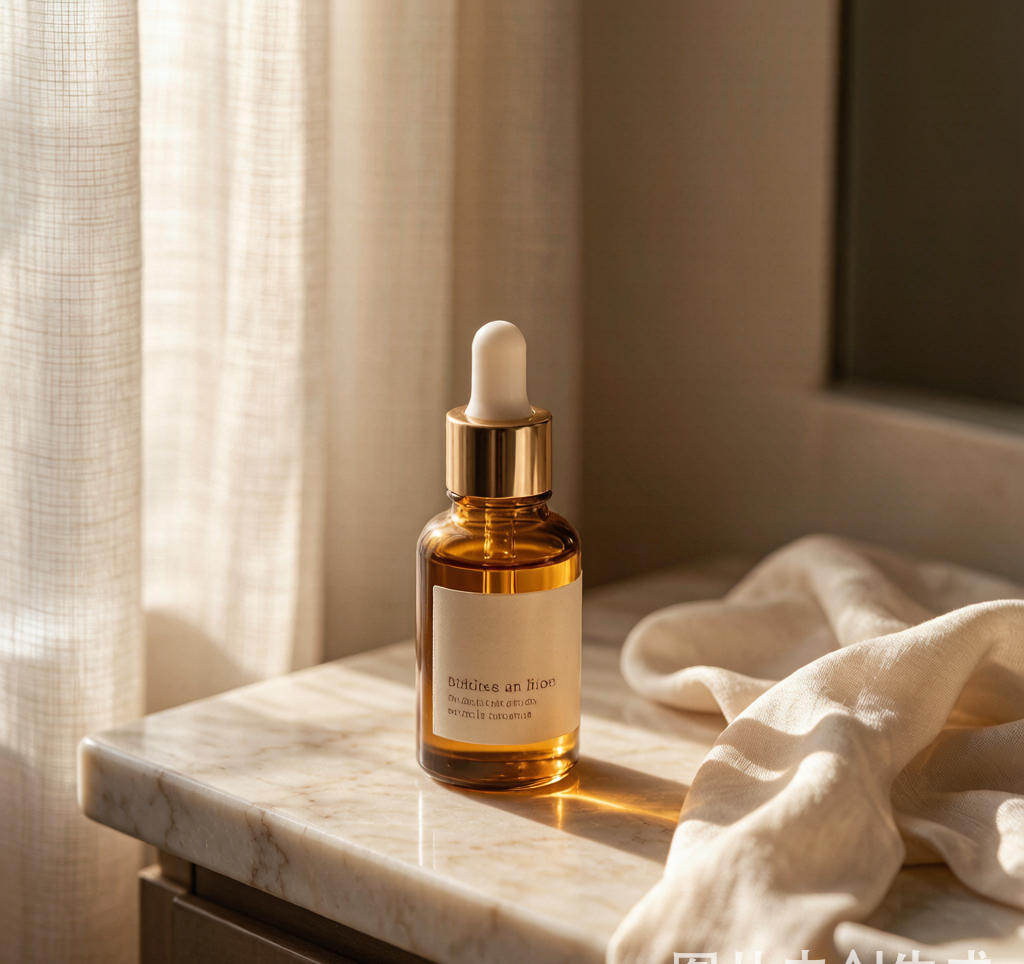
I tried the five-step evening ritual that Parisian facialists swear by. My skin has never been the same.
There is a particular kind of arrogance required to believe that a five-minute skincare routine can undo sixteen hours of pollution, screen exposure, and stress-induced cortisol spikes. For years, I operated on that arrogance. Cleanse, moisturise, sleep. Repeat. My skin tolerated this neglect until, abruptly, it did not.
What followed was a six-month experiment with a ritual borrowed from the back rooms of Parisian beauty houses. Five steps. No shortcuts. Here is what happened.
Step One: The Double Cleanse
The single most transformative change was also the simplest: washing my face twice. First with an oil-based cleanser to dissolve sunscreen, sebum, and the microscopic film of pollution that settles on skin throughout the day. Then a water-based cleanser to remove what remains. This is not marketing. This is basic chemistry. Oil attracts oil. Water attracts water. Use both.
Within two weeks, the stubborn congestion along my jawline, the kind that survives every clay mask and exfoliant, began to flatten. My esthetician later explained that about eighty percent of what I had considered permanent texture was simply incomplete cleansing. I had been moisturising over dirt for a decade.
Step Two: The Acid Toner
After the cleanse comes the toner, specifically one containing alpha hydroxy acids. The word acid terrifies people. It should not. Your skin is already acidic, with a pH around 4.7. The right acid toner simply mimics what youthful skin does naturally: it accelerates cell turnover. Dead cells slough off. Fresh cells surface. The result is not irritation. It is clarity.
I started with a five percent lactic acid formula, applied every other night. Lactic acid is gentler than glycolic, better suited to skin that has never been chemically exfoliated. After a month, I graduated to nightly use. The change was measurable: makeup sat differently. Light bounced off my cheekbones instead of scattering across rough patches.
Step Three: The Serum
Serums are the workhorses of effective skincare. They deliver active ingredients at concentrations that moisturisers cannot accommodate. My choice, after exhaustive research and one mortifying consultation where a facialist asked if I had been sleeping in the desert, was a hyaluronic acid serum paired with niacinamide.
Hyaluronic acid holds up to a thousand times its weight in water. Applied to damp skin, it pulls moisture into the epidermis and keeps it there. Niacinamide, also known as vitamin B3, regulates oil production and strengthens the skin barrier. Together, they address the two things most faces need: hydration that lasts and pores that behave.
Step Four: The Eye Treatment
I added eye cream reluctantly, suspecting it was a repackaged moisturiser at triple the price. I was half right, half wrong. While many eye creams are indeed overpriced, the best ones contain peptides that signal skin cells to produce more collagen in a region where the dermis is naturally thinnest. The skin around your eyes is roughly one-tenth the thickness of the skin on your cheeks. It ages faster because it has less structural support to begin with.
After two months of consistent use, the fine lines that had appeared around my eyes in my early thirties had not vanished, they rarely do, but they had softened. More importantly, the skin itself looked denser, as if the scaffolding underneath had been reinforced. It had.
Step Five: The Seal
The final step is the moisturiser, but not any moisturiser. The key is occlusion: a formula that creates a breathable barrier, preventing transepidermal water loss while you sleep. I use a ceramide-rich cream that mimics the skin natural lipid barrier. Applied as the last layer, it seals everything beneath it without suffocating the skin.
This is the step most people skip, or worse, replace with a lightweight lotion that evaporates within an hour. Your skin loses approximately three hundred millilitres of water each night through evaporation alone. A proper occlusive reduces that by half. It is the difference between waking up hydrated and waking up dehydrated, regardless of what you did in the previous four steps.
The Bottom Line
This ritual takes roughly seven minutes. It costs more than a bar of soap and less than a single dermatologist visit. The results are not dramatic in the Instagram sense. No before-and-after that goes viral. But the cumulative effect, over six months, is skin that functions the way it did a decade ago: hydrated, resilient, and, in the right light, luminous. That is not vanity. That is maintenance. And it is worth every minute.