Why the Best Restaurants Are Closing Their Dining Rooms
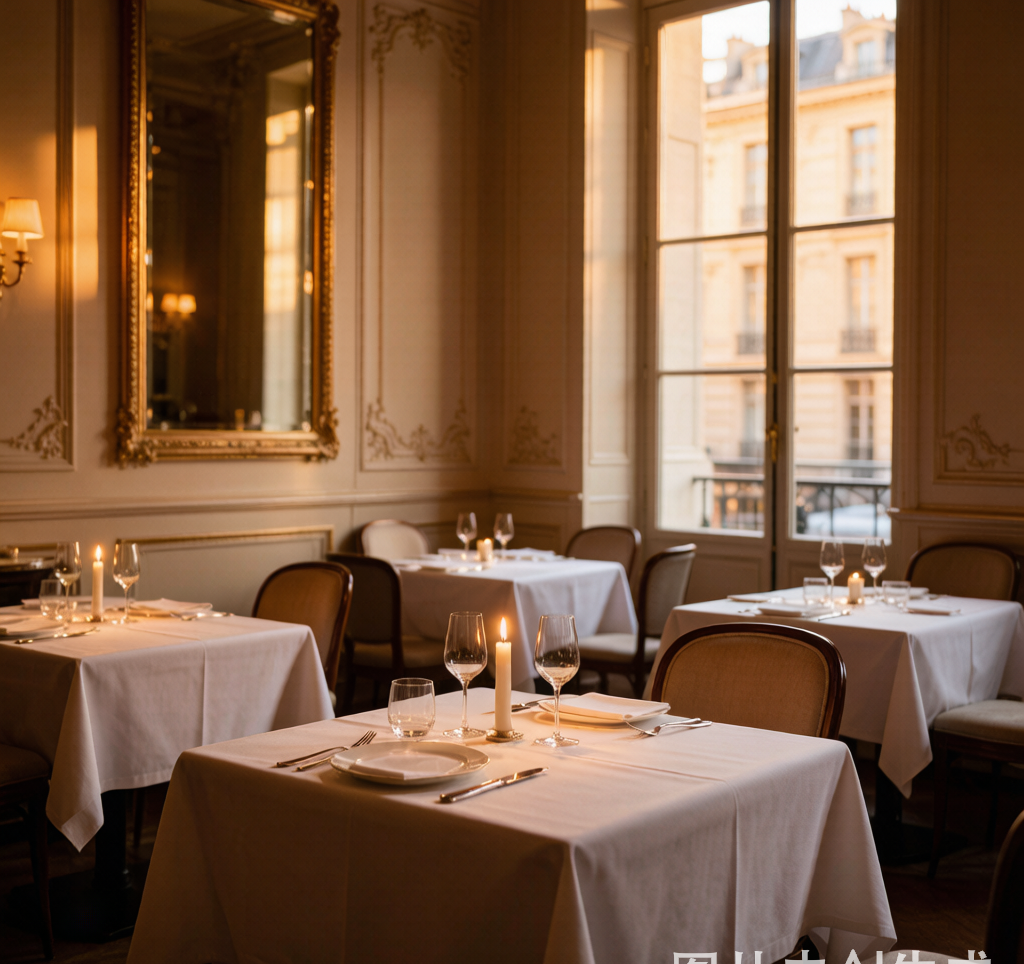
The best tables in the world are no longer in restaurants. They are in private dining rooms you will never hear about.
Something strange is happening in the upper echelons of gastronomy. Restaurants with three Michelin stars, waiting lists measured in months, and the kind of critical acclaim that makes chefs weep, are closing their dining rooms. Not temporarily. Strategically. They are betting that the future of fine dining does not involve a dining room at all.
If they are right, and the evidence suggests they might be, we are witnessing the end of the restaurant as we have known it for two centuries.
The Noma Precedent
When Rene Redzepi announced in 2023 that Noma would close its dining room at the end of 2024, the food world convulsed. The restaurant widely considered the most influential of the twenty-first century was admitting something that had been whispered for years: the economics of fine dining no longer work.
Noma employed roughly one hundred people to serve forty covers a night. Even at 500 per head, the math was impossible. Redzepi told The New York Times that the restaurant had been losing money on its dining operations for years, subsidised by the Noma Projects product line and the occasional global pop-up. The numbers did not lie. They also did not make sense. A restaurant can be the best in the world and still be a terrible business.
The Labour Crisis Nobody Talks About
The restaurant industry runs on unpaid labour. Always has. Stagiaires, unpaid interns who work sixteen-hour days for the privilege of learning from a master, have been the backbone of high-end kitchens since Escoffier. But a series of labour lawsuits across Europe and the United States, combined with a generational shift in what young cooks are willing to tolerate, is dismantling that model.
In France, the birthplace of the brigade system, culinary school enrolment has dropped every year since 2018. In New York, line cooks now earn more per hour than some sous chefs did five years ago. These are positive developments for workers. They are existential threats to the fine dining business model. A restaurant that relies on the exploitation of its staff does not have a staff problem. It has a business model problem.
The Guest Has Changed
The diner who once celebrated a promotion by booking a three-star experience is now celebrating by booking a private chef. The shift is partly pandemic-driven, partly generational. Millennials and Gen Z consumers, the demographics that currently hold the most disposable income in luxury categories, prefer experiences that feel personal rather than institutional.
A private chef in your home, or in a rented space, offers something a restaurant cannot: exclusivity without pretension. No dress code. No other tables. No sommelier performing for a room. Just food, wine, and the people you chose to share them with. For the price of a tasting menu for four at a top restaurant, you can hire a chef who has worked in those kitchens to cook for eight in your own home.
The New Model
The restaurants that are thriving are not the ones with the most stars. They are the ones that have diversified. A product line. A subscription service. A cookbook series. A residency programme. The dining room becomes a loss leader, a marketing expense for the brand, not the brand itself.
This is not a tragedy. It is an evolution. The restaurant as a format was invented in eighteenth-century Paris to serve bouillon to the bourgeoisie. It has adapted before. It will adapt again. But the current moment demands something the industry has historically resisted: honesty about the numbers, and a willingness to let go of formats that no longer serve the people working within them.
The Bottom Line
The best food in the world is increasingly being served in places that do not appear on any reservation platform. The dining room is not dead, but its monopoly on great meals is over. The chefs who understand this are not mourning. They are building something new. And if you want to taste it, you will need to know someone who knows someone. Just like it used to be.